Is Africa poised to become the next powerhouse in global container shipping?
As the continent modernises its ports and logistics infrastructure, the container shipping industry is experiencing significant growth, overcoming challenges to integrate more deeply into the global trade ecosystem.
Over the past decade, Africa’s logistics and transportation landscape has undergone a remarkable transformation, with container shipping playing a pivotal role. As global trade patterns shift and the world becomes increasingly interconnected, Africa has emerged as a strategic hub for container shipping, unlocking new avenues for economic growth and integration.
According to the latest data from the United Nations Conference on Trade and Development (UNCTAD), between the first half of 2018 and the first half of 2023, port calls by container ships in Africa rose by 20%, marking a record-breaking increase for the continent.
Current State and Challenges
The container shipping industry in Africa has seen significant growth, with major ports experiencing unprecedented increases in container throughput. Data from the African Development Bank indicates that the number of container units moving through African ports increased by nearly 50%, from 24.5 million to 35.8 million between 2011 and 2021.
However, this growth has brought challenges. Many African ports operate beyond their designed capacity, leading to severe congestion issues. Operational inconsistencies, largely due to rising cargo volumes, limited resources, inefficiencies, and corruption, are common in many facilities. This is especially true in West African ports, where rapid growth in cargo flow strains facilities that need significant upgrades, including deeper draughts, expanded wharf space, updated equipment, and larger container storage areas.
For instance, the Lagos Port Complex in Nigeria, one of the busiest in West Africa, faces challenges due to outdated infrastructure and limited capacity, leading to significant congestion and long wait times for ships. Similarly, the Port of Mombasa in Kenya, a critical gateway for East African trade, struggles with ageing infrastructure and slow expansion efforts, resulting in delays in cargo handling and increased congestion.
“Africa’s container shipping industry is at a pivotal point, with significant investments transforming the continent into a strategic hub for global trade.”
Transformation and Development
In response to these challenges, Africa is experiencing unprecedented growth in its container shipping infrastructure. Global logistics companies are investing heavily in new port and logistics infrastructure across the continent. For example, the Port of Tema in Ghana is increasing its capacity, with the second phase of its expansion project set for completion by September 2025, involving the paving of a substantial 270,000-square-metre area, which will expand the terminal’s footprint from 100 to 127 hectares.
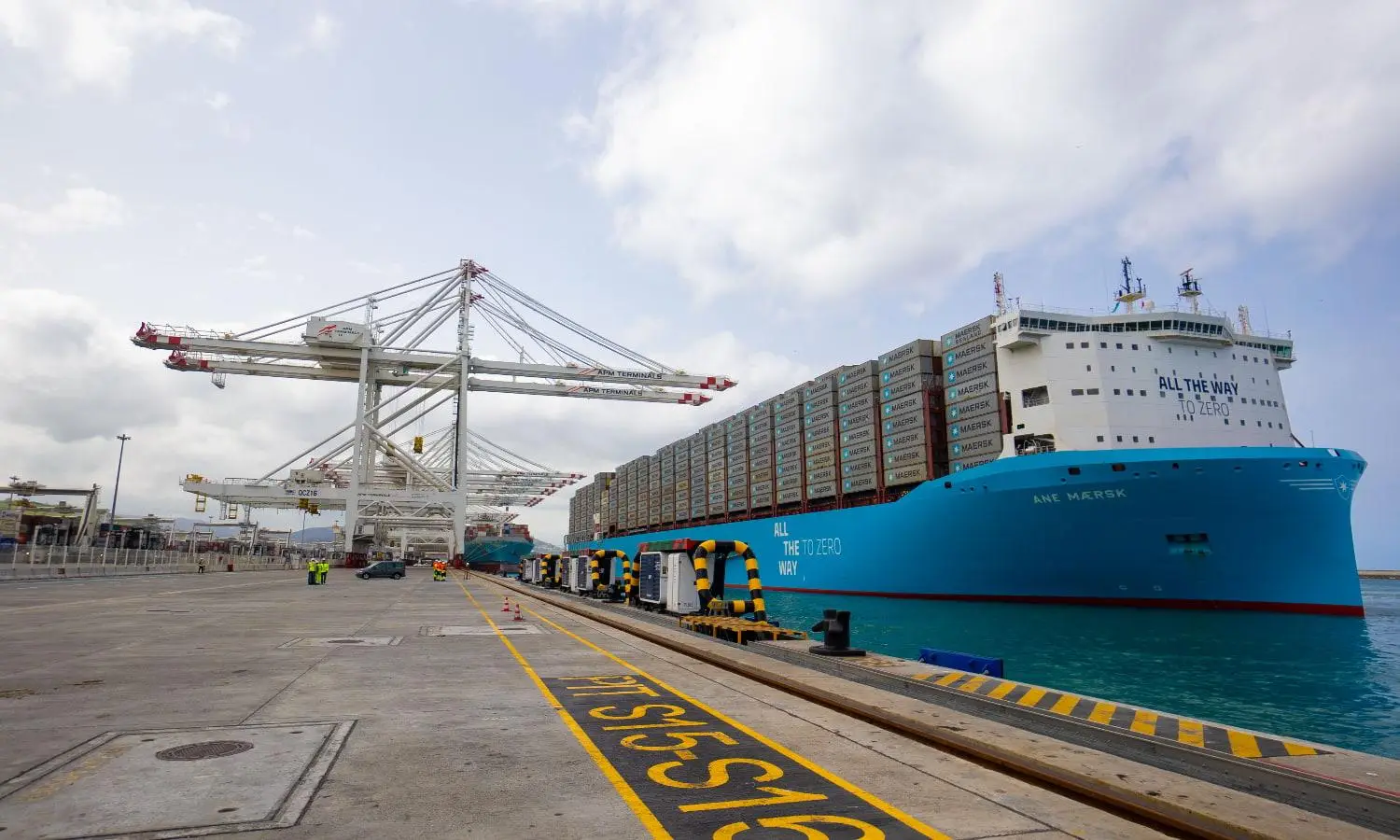
APM Terminals has been a key enabler in this transformation, investing in modernising port facilities and implementing advanced technologies to enhance efficiency and reduce turnaround times. These developments are crucial for accommodating the increasing volume of container traffic and positioning Africa as a competitive player in global trade.