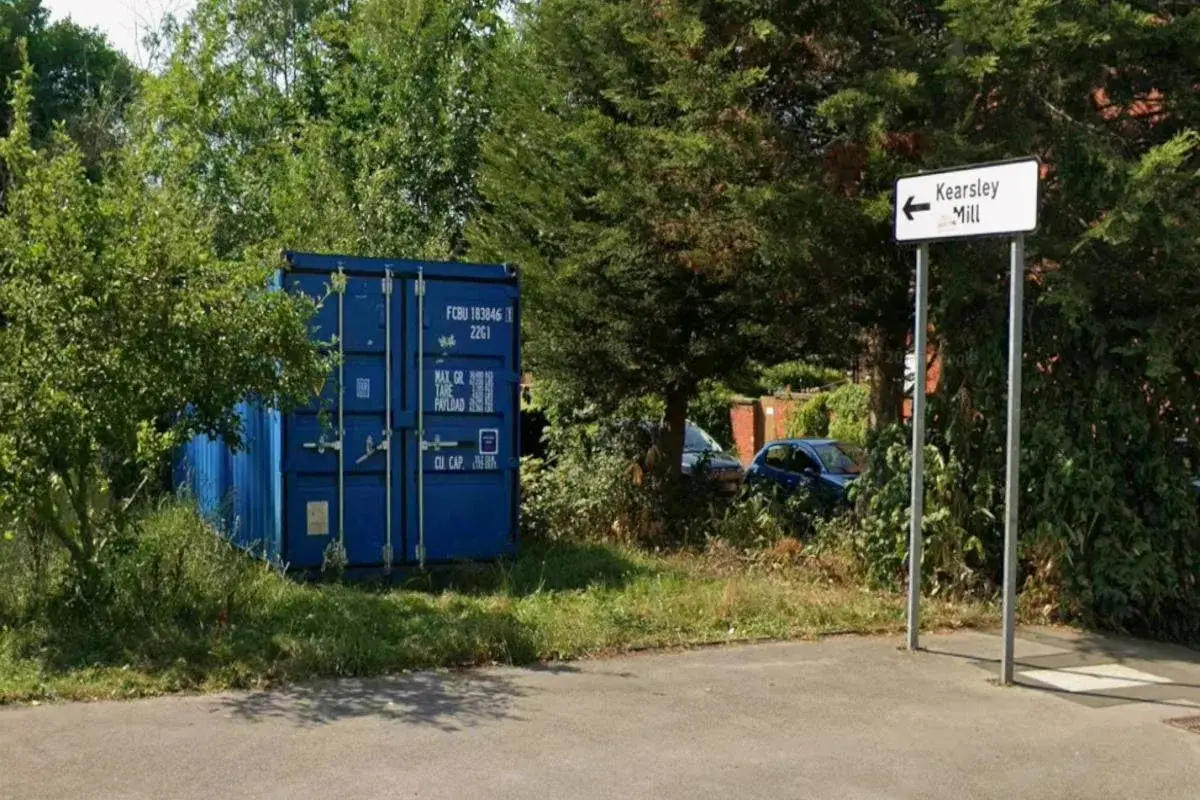
A creative reuse of a steel container helps a local bike shop pedal forward — and the neighbourhood is all the better for it.
What happens when a humble shipping container becomes the heart of a thriving community bike repair hub?
In a corner of town where empty lots once gathered weeds and litter, a bright idea has taken shape: a bike repair shop built inside a converted shipping container. What started as a low-cost solution has quickly become a focal point for local cyclists, DIY mechanics and anyone looking to keep two wheels rolling without breaking the bank.
The idea was born out of necessity. Traditional commercial space in the area had become prohibitively expensive for small independent businesses. So when shop owner Jordan Carter stumbled on an unused container on a friend’s yard, the spark of inspiration lit up. With a modest refurbishment — insulation, shelving, workstands and a vibrant mural on the side — that steel box now hums with activity: gears being oiled, tyres pumped, and handlebars aligned with care.
“We didn’t have deep pockets, but we had all the passion,” Carter says. “Turning this container into a workshop felt right — sturdy, flexible and unpretentious. Cyclists come here because it’s welcoming, not intimidating.”
More than just a bike workshop, the container has become a community hub. Locals drop in to swap parts, share tips, or learn basic maintenance. Free weekend sessions teach young riders how to fix flats and adjust brakes. A “tool library” lets people borrow spanners, pumps and patch kits with nothing more than a friendly smile and a donation to the refreshment jar.
This type of adaptive reuse isn’t just practical — it’s symbolic. Shipping containers have found new life across the UK in cafés, pop-up shops, art spaces and micro-workshops. Their appeal is simple: they’re tough, modular, and available at a fraction of the cost of conventional buildings. For startups and community enterprises alike, they offer a way to get going without drowning in rent.
Local resident and avid cyclist Amira Johnson says the container workshop has added unexpected value to the neighbourhood. “It’s weirdly heartening seeing a shipping container here — but then you step inside and it feels like someone’s living room for bikes. I’ve cleaned up my own ride here more times than I can count.”
City planners have taken note. While some communities worry that containers can look industrial or out of place, this project demonstrates how thoughtful design — with good landscaping, clear signage, and an inviting colour palette — can turn a steel box into an asset rather than an eyesore. Carter even held a small opening event where neighbours were invited to paint designs on the exterior, making it a symbol of collective ownership.
Of course, converting a container into a legitimate business space wasn’t without its hurdles. Planning permissions, electrical wiring, insulation in a climate that swings between drizzle and heat, and ensuring compliance with health and safety standards all required research and help. Carter credits local support networks — and a few generous volunteers — with making it possible.
For cyclists, the workshop’s presence has broad utility. Not every ride ends with a flat tyre; not every commuter can afford expensive servicing. Having a locally based, affordable hub has empowered riders to maintain their own bikes and build confidence. Schools have even begun organising visits, turning a simple container into a classroom on wheels.
The success of this compact workshop may signal something larger: that small space doesn’t mean small impact. In an era where commercial rents soar and independent businesses struggle, creative solutions like this breathing new life into everyday objects offer a hopeful model. The container might be modest in size, but its effect on community connection, sustainable transport and local economy is undeniably expansive.