
Ever looked at a steel box and thought, “How hard can plumbing and electrics be?” Spoiler: harder than it looks — but absolutely doable if you plan it properly.
Plumbing and Electricity in Shipping Containers:
Shipping containers make brilliant offices, workshops, cafés and storage units, but once you introduce water and power, you’re stepping into a world of regulations, condensation risks and very unforgiving steel. Here’s what you need to know before anyone turns up with a drill and blind optimism.
Start With the Purpose (Not the Plug Socket)
Before running a single cable or pipe, be crystal clear on how the container will be used.
- Office or site cabin?
- Café or food prep space?
- Toilet or shower block?
- Secure workshop?
Each use case changes everything — from power load to drainage, ventilation and insulation requirements. Containers aren’t forgiving once you start cutting holes, so planning upfront saves expensive “oh no” moments later.
Electrical Installations: Powering a Steel Box Safely
Get a Qualified Electrician (Non-Negotiable)
Containers are metal. Metal conducts electricity. Enough said.
All electrical work must be carried out by a qualified electrician familiar with container conversions and UK regulations. Improvised wiring in a steel structure is a fast route to insurance nightmares.
Key Electrical Considerations
- Power source: Mains connection, generator or solar?
- Consumer unit: Properly installed with RCD protection.
- Earthing: Critical in steel structures.
- Cable containment: Surface-mounted trunking is common and practical.
- Lighting & sockets: Plan locations early — steel walls don’t forgive indecision.
Insulation Comes First
Never run electrics before insulating. Condensation inside containers is real, and exposed wiring plus moisture is a dangerous mix. Insulation and vapour barriers protect both safety and longevity.
Plumbing: Where Water Meets Reality
Fresh Water In, Waste Water Out
Plumbing isn’t just about getting water in — it’s about getting waste out legally and efficiently.
You’ll need:
- Mains water connection or tank-fed supply
- Drainage to mains sewer, septic tank or compliant waste system
- Ventilation to prevent smells and pressure issues
If drainage isn’t available, macerators or holding tanks may be required — but these add cost and maintenance.
Freezing & Condensation Risks
Containers are steel boxes that love to amplify temperature extremes.
- Pipes must be insulated
- External runs should be avoided where possible
- Heating may be required year-round to prevent freezing
Skipping this step usually results in burst pipes and colourful language.
Cutting the Container: Measure Twice, Cut Once
Every hole you cut weakens the structure slightly. That’s fine — if it’s done properly.
- Reinforce cut-outs for pipes and cable entry
- Seal all penetrations to prevent water ingress
- Use proper grommets and sleeves (not expanding foam and hope)
Poorly sealed holes are the number one cause of rust issues later on.
Regulations, Compliance & Reality Checks
Building Regulations & Planning
Depending on use and location, you may need:
- Building control approval
- Electrical certification
- Plumbing sign-off
- Planning permission (especially for permanent installations)
Temporary doesn’t always mean regulation-free — councils have opinions.
Insurance Will Ask Questions
Insurers love paperwork. Certified electrical and plumbing installations make your container cheaper to insure and far less likely to be rejected outright.
Budget Honestly (Then Add a Bit More)
Plumbing and electrics often cost more than people expect, especially in containers.
Costs vary based on:
- Distance to services
- Groundworks required
- Internal fit-out level
- Compliance requirements
Rule of thumb: if it feels cheap, something important has probably been skipped.
Final Thoughts: Containers Are Brilliant — When Done Right
Plumbing and electrics turn a container from a box into a usable space — but they also turn a simple project into a technical one. Do it properly, use the right professionals, and plan everything before the first cut.
Get it wrong, and you’ll be chasing leaks, tripping breakers and regretting that “quick install”.
Thinking about converting a shipping container?
Cubus Containers can help you choose the right container and advise on preparation before plumbing and electrics are installed. Get in touch and let’s do it once — properly.
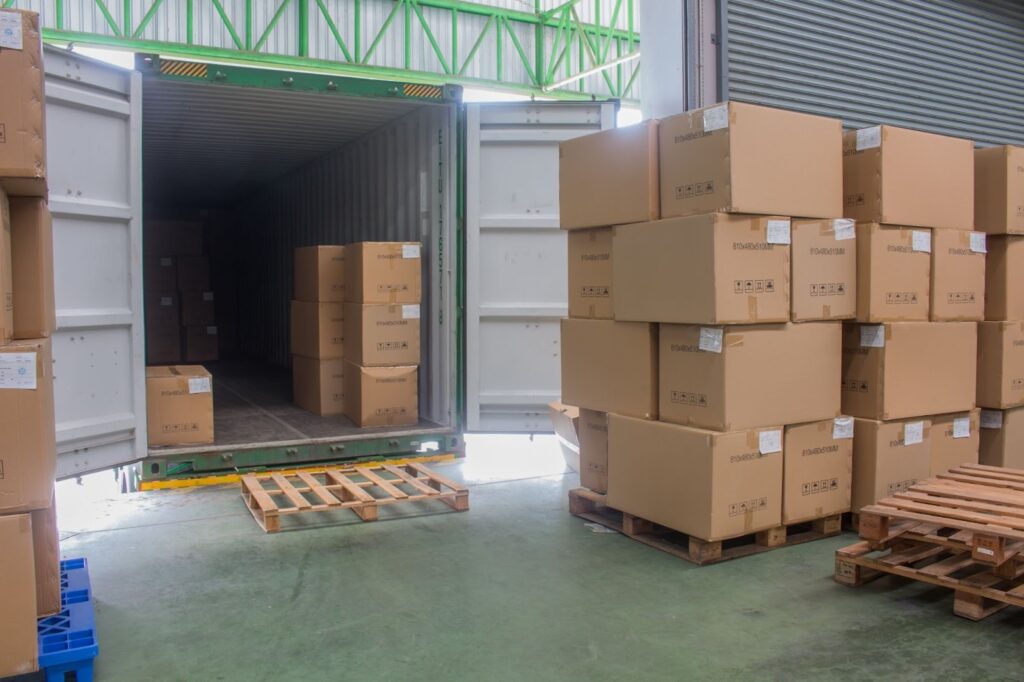
How Many Pallets Fit in a 20ft Shipping Container? (And Why the Answer Isn’t Always Simple)