Are traditional buildings failing to keep up with how we learn and work today?
Let’s be honest… traditional construction is brilliant—if you’ve got time, money, patience, and a tolerance for delays that would make a saint weep.
But schools are expanding now. Businesses are evolving now. Remote workers need space now. Not in 9 months when the bricks finally turn up and someone signs off the paperwork.
This is where modular container classrooms and work retreats step in—and quietly steal the show.
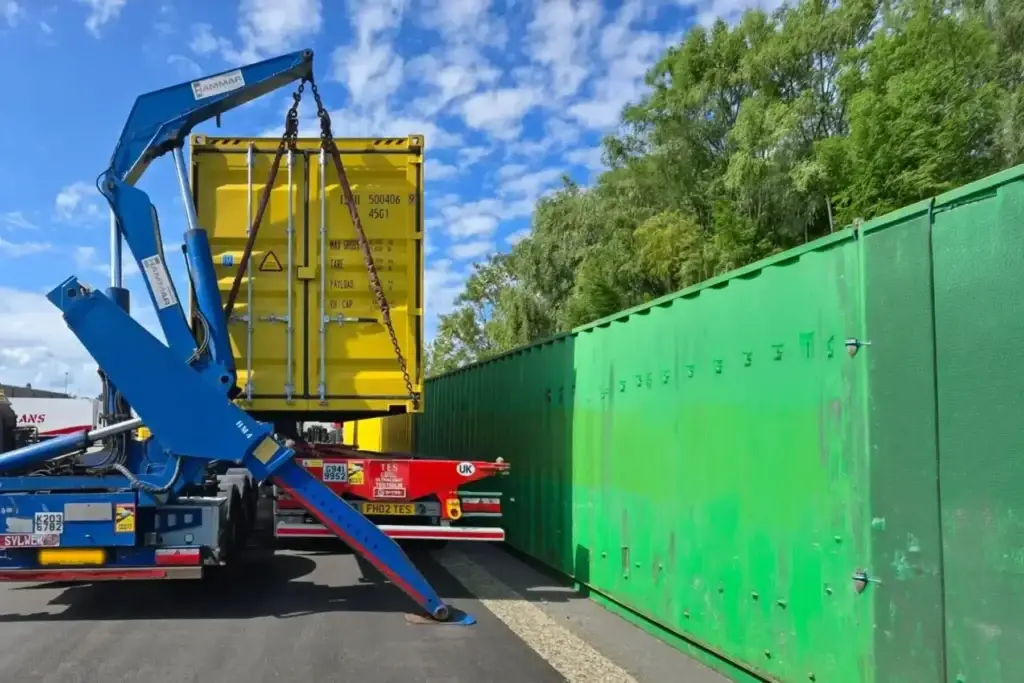
Shipping containers, once the backbone of global trade, are now being repurposed into something far more interesting: flexible, scalable, and surprisingly stylish spaces for learning and working. They’re not just a stop-gap solution either. They’re becoming a strategic choice.
Why?
Because they solve problems that traditional buildings create.
Need more classroom space without disrupting the school year? Done.
Want a remote work retreat that actually inspires productivity instead of draining it? Sorted.
Looking for a cost-effective way to expand your workspace without committing to a permanent build? Easy.
At Cubus Containers, we’re seeing a shift. People aren’t just asking “can we use containers?” anymore. They’re asking “why wouldn’t we?”
And that’s when you know something’s changed.
The Rise of Modular Container Spaces
From Shipping Yard to Smart Space
Shipping containers were never designed to sit still.
They were built to move. To adapt. To survive.
So it’s no surprise they’ve become the perfect foundation for modern modular buildings. The same durability that allows them to cross oceans now allows them to become robust, secure, and long-lasting structures on land.
But here’s the real shift…
We’re no longer just stacking containers and calling it a building. We’re designing intelligent spaces around them.
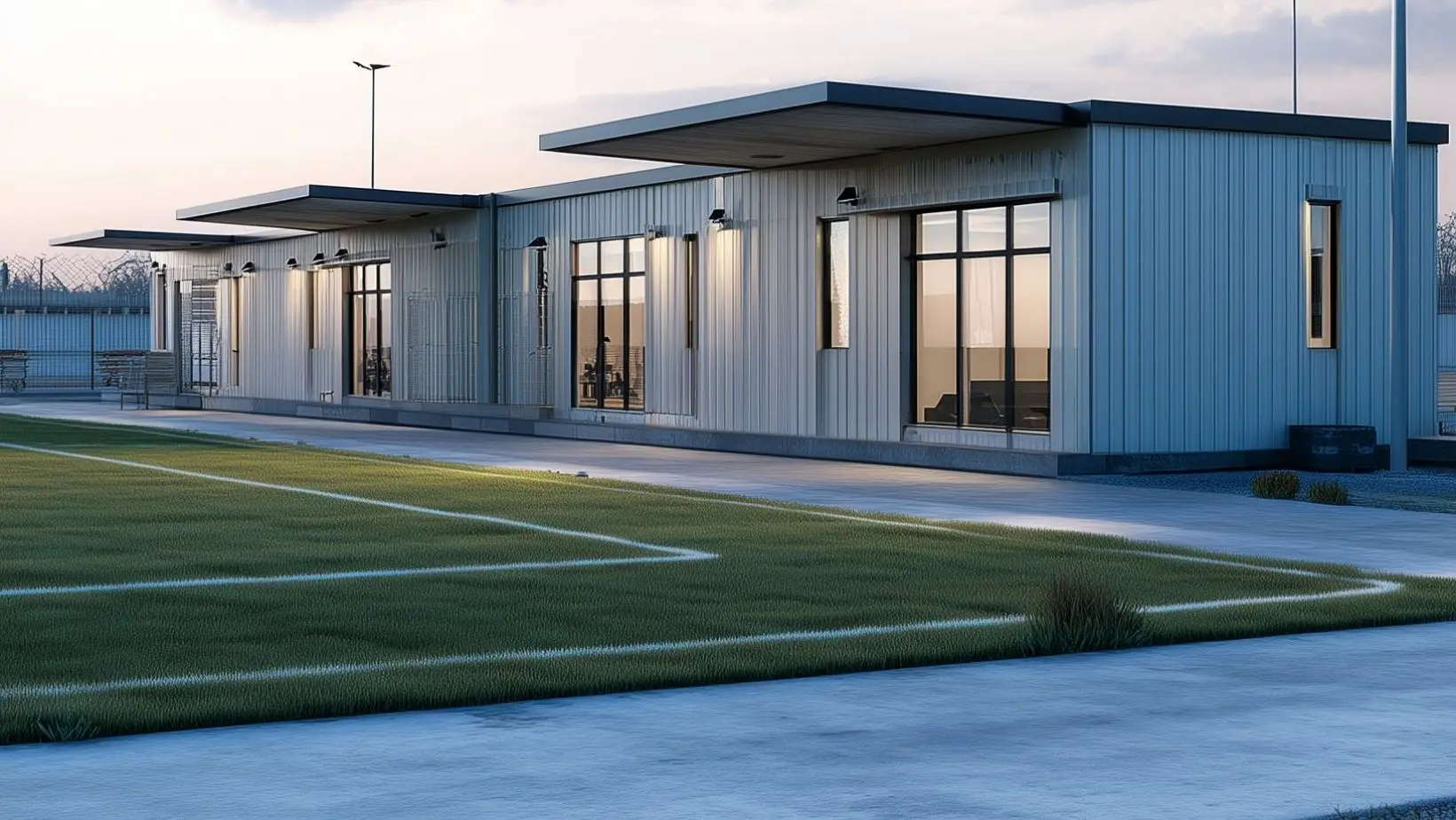
Classrooms with natural light, heating, insulation, and proper acoustics.
Work retreats with open layouts, breakout areas, and even off-grid capabilities.
These aren’t “temporary cabins”.
They’re purpose-built environments—just built smarter.
Why Education Is Turning to Container Classrooms
Speed Matters More Than Ever
Schools don’t have the luxury of waiting for construction delays.
Student numbers rise. Funding windows open and close. Ofsted doesn’t pause inspections because your extension is running late.
Container classrooms can be delivered and installed in weeks—not months.
That means:
- Minimal disruption to students and staff
- Immediate expansion when needed
- Faster response to funding opportunities
Flexible Learning Environments
Education is changing. Rows of desks and chalkboards are being replaced by collaborative, dynamic learning spaces.
Container classrooms can be designed to reflect this shift:
- Open-plan layouts
- Breakout zones
- Multi-use spaces for different subjects
- Integrated technology
And when needs change? The space can change with it.
Add another container. Reconfigure the layout. Relocate entirely.
Try doing that with a brick building.
Work Retreats: The Escape from the Kitchen Table
Remote Work Needs Better Spaces
Let’s call it out—working from home sounded great… until it wasn’t.
Distractions. Poor ergonomics. Zero separation between work and life.
Container work retreats solve this by creating dedicated, high-quality workspaces away from the chaos.
Think:
- Garden offices that actually feel like offices
- Off-grid retreats for deep focus
- Team hubs for hybrid working models
Productivity Meets Environment
There’s something powerful about stepping into a space designed purely for work.
Container retreats can be tailored to enhance productivity:
- Natural lighting for better focus
- Insulated interiors for comfort year-round
- Soundproofing for uninterrupted work
- Custom layouts to suit individual or team needs
And because they’re modular, they can evolve as your business grows.
The Sustainability Advantage
Reusing with Purpose
Let’s not pretend construction has a spotless environmental record.
Container conversions offer a more sustainable alternative by repurposing existing materials instead of starting from scratch.
That means:
- Reduced waste
- Lower carbon footprint compared to traditional builds
- Efficient use of resources
Energy Efficiency Built In
Modern container spaces can be fitted with:
- High-performance insulation
- Solar panels
- Energy-efficient lighting and systems
The result? Spaces that are not only functional but environmentally responsible.
And increasingly, that’s not a “nice to have”—it’s expected.
Cost Without Compromise
Predictable Budgets (Imagine That)
Traditional construction has a habit of… drifting.
Budgets stretch. Timelines slip. Costs creep.
Container builds offer far greater cost control:
- Standardised materials
- Faster build times
- Reduced labour costs
Value That Scales
Need more space later?
You don’t start again—you expand.
That scalability makes container solutions ideal for:
- Growing schools
- Expanding businesses
- Temporary projects that might become permanent
Design Without Limits (Yes, Really)
Customisation That Surprises People
If you’re picturing a cold steel box… you’re about 10 years behind.
Today’s container spaces can include:
- Large windows and glass walls
- Cladding for a premium exterior finish
- High-end interiors with full electrics and plumbing
- Heating, cooling, and ventilation systems
You can make them look industrial, modern, rustic, or completely unrecognisable as containers.
Stack, Combine, Create
Containers are like building blocks:
- Stack them for multi-level spaces
- Combine them for larger floorplans
- Arrange them to fit awkward or restricted sites
They don’t fight your space—they adapt to it.
Where Container Classrooms & Workspaces Work Best
- Schools needing rapid expansion
- Universities creating flexible learning hubs
- Businesses embracing hybrid work
- Rural locations where traditional builds are difficult
- Urban sites with limited space
- Creative industries needing inspiring environments
In short… anywhere that needs space quickly, efficiently, and intelligently.
Case Study: A School That Couldn’t Wait
A UK-based primary school faced a familiar problem—rising student numbers and not enough classrooms.
Traditional extension? Estimated timeline: 6–9 months.
Budget? Already stretching.
Disruption? Guaranteed.
Instead, they opted for modular container classrooms.
Within weeks:
- New classrooms were delivered and installed
- Fully insulated, heated, and ready for use
- Minimal disruption to the school day
The result?
Students had space. Teachers had flexibility. The school had breathing room.
And when future expansion is needed, they don’t start from scratch—they build on what they already have.
Featured Quote
“The smartest spaces today aren’t the ones built to last forever—they’re the ones built to adapt.”
Conclusion
Modular container classrooms and work retreats aren’t just an alternative—they’re an upgrade.
They’re faster. More flexible. More cost-effective. And, frankly, more aligned with how we live and work today.
The question isn’t whether containers can do the job.
It’s whether traditional buildings still can.
CTA
Ready to rethink your space?
👉 Explore modular container solutions with Cubus Containers today:
https://www.cubuscontainers.co.uk/