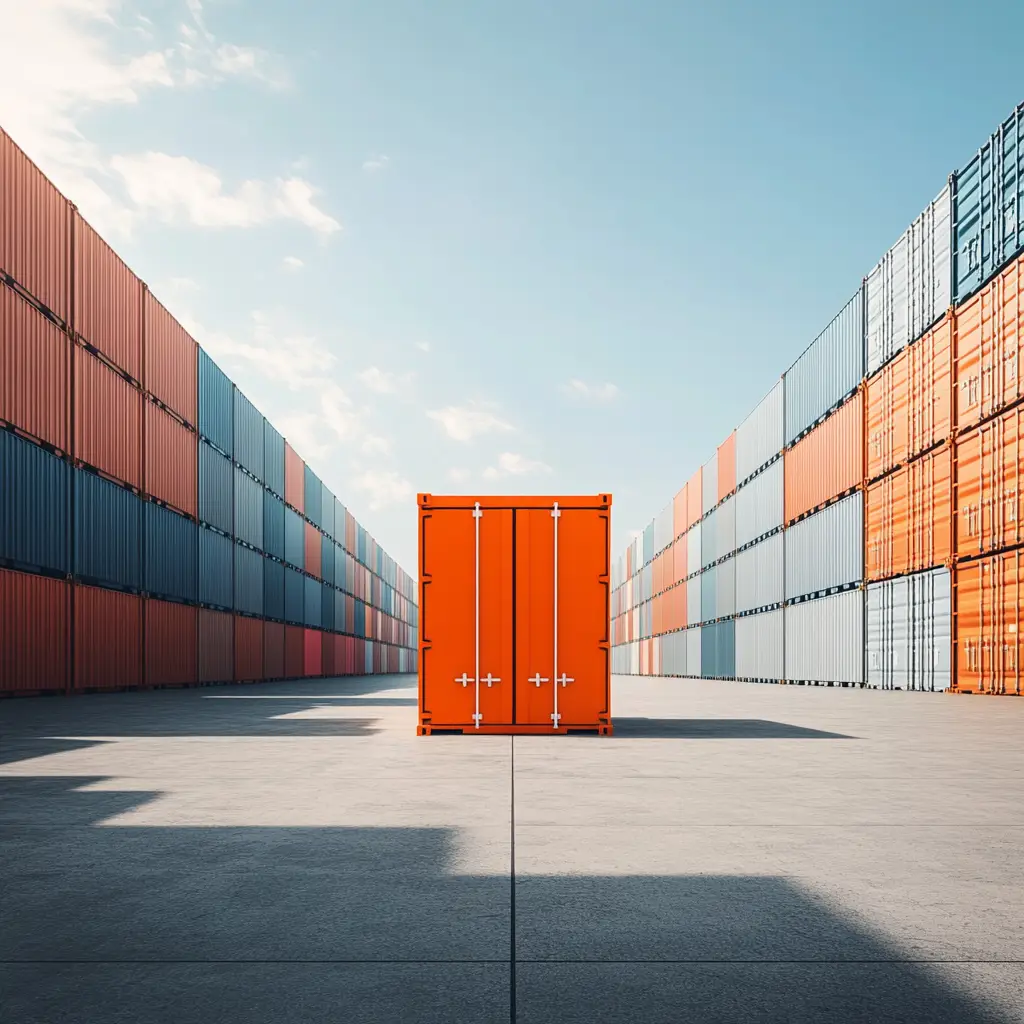
How are shipping containers built — and what makes them strong enough to become storage units, site offices, workshops and even homes?
Because let’s be honest… these things don’t look like they were designed to politely hold garden tools.
They look like they were designed to survive war, weather and several generations of forklifts.
And they were.
Shipping containers aren’t just boxes — they’re engineered steel structures designed to survive oceans, storms, cranes, stacking pressure and 24/7 handling. Today, they’re also used as secure storage, mobile workshops, garden rooms, pop-up shops, site offices and modular buildings all across the UK.
At Cubus Containers, we sell and rent containers to customers who want storage that doesn’t leak, buckle, rust away or collapse the first time it gets nudged by a digger. And the reason containers are trusted for so many uses comes down to how they’re actually built.
Understanding how shipping containers are built helps you choose the right grade, avoid cheap imports, and buy containers that last decades — not just a couple of damp winters.
So let’s crack open the steel shell and show you what really goes into building one of the toughest storage structures on the planet.
The Origin of the Modern Shipping Container
Modern shipping containers were born in the 1950s when Malcolm McLean introduced a standardised steel unit that could be lifted seamlessly between ships, lorries and trains.
Before this, goods were moved manually — slower, riskier and far more expensive.
Containers standardised transport, slashed costs, reduced theft and laid the foundations for modern global trade. Over time, steel replaced wood and aluminium, creating the durable boxes we now reuse as storage units, buildings and commercial spaces.
And yes — they were intentionally over-engineered. Which is why they’re perfect for storage and construction projects today.
What Materials Are Shipping Containers Built From?
Corten Steel – The Backbone
Modern shipping containers are built almost entirely from Corten steel — a special weathering steel that creates its own protective rust layer.
This surface oxidation seals the steel beneath, preventing corrosion from spreading deeper. It means containers can live outdoors for decades with minimal maintenance.
Which is exactly why they’re ideal for:
- Long-term storage
- Garden buildings
- Workshops
- Secure site offices
- Retail conversions
Flooring Materials
Most containers use:
- Marine-grade plywood
- Or eco bamboo composite boards
Both are moisture-resistant, forklift-rated and designed to carry serious weight.
How Are Shipping Containers Built? Step by Step
1. Steel Panels Are Cut and Corrugated
Large steel sheets are laser-cut into wall and roof panels. They are then pressed into corrugated shapes — the ridges that give containers their unbelievable strength.
Those ridges act like structural ribs, allowing containers to carry massive loads without bending.
2. The Structural Frame Is Welded
The steel skeleton is built first — heavy corner posts, roof rails and base rails are welded into a rigid cube.
These corners carry the full stacking weight when containers are piled 7–9 units high.
Yes… one container can carry the weight of several loaded containers on top of it.
3. Walls, Roof and Doors Are Welded In
Automated welding machines permanently fuse panels to the frame, creating a single sealed steel shell.
Door frames are installed with heavy multi-point locking bars, reinforced hinges and weather seals — which is why containers make such secure storage units.
4. The Floor Is Installed
Steel cross-members are fitted, followed by marine plywood or bamboo composite boards — creating floors capable of supporting forklifts, vehicles and heavy equipment.
5. Coating, Painting & Protection
Containers are sand-blasted, primed and painted with industrial marine coatings designed to withstand:
- Rain
- UV exposure
- Salt air
- Freezing temperatures
- Impact damage
Which is why a well-maintained container can last 25+ years in outdoor environments.
Why Containers Are Perfect for Storage and Buildings
Because of how shipping containers are built, they naturally offer:
- Structural strength
- Security
- Weather resistance
- Fire resistance
- Load-bearing capability
- Stackability
- Long service life
That’s why Cubus customers use containers for:
- Domestic storage
- Construction sites
- Retail pop-ups
- Garden offices
- Gyms
- Workshops
- Modular buildings
New Innovations in Container Construction
Modern containers are getting smarter and greener:
- Eco bamboo flooring
- Low-VOC paint systems
- Solar ventilation units
- Smart locks and monitoring
- Modular conversion frames
Containers are no longer just boxes — they’re adaptable buildings.
Choosing the Right Container
Understanding how shipping containers are built helps you:
- Choose the right grade (new, used, refurbished)
- Avoid low-quality imports
- Pick the correct size and type
- Invest in containers that last decades
- Save money long-term
Shipping containers are among the most over-engineered storage structures on Earth — and that’s exactly why they’re perfect for modern storage and building projects.
When you buy or rent from Cubus Containers, you’re not buying a box — you’re investing in a structural steel unit designed to survive extreme environments for decades.
Which means your tools, stock, equipment and projects stay safe, dry and secure.
“Shipping containers aren’t storage boxes. They’re steel buildings disguised as boxes.”
Thinking about buying or hiring a shipping container for storage, a workshop, an office or a conversion project?
Speak to Cubus Containers today — and let us match you with the right container, delivered directly to your site, garden or premises.
📞 Call us or request a quote online today.
Shipping Jargon Made Simple