Question: Ever wondered what happens when the humble shipping container decides to go bespoke?
What do you get when you take a standard shipping container — the rugged, weather-beaten steel box that ferries goods around the globe — and give it a tailored purpose? You get a special purpose container. Far from being just another box, these engineered units are the Swiss Army knives of storage and transport: flexible, robust, and shockingly capable of solving problems you didn’t even realise you had.
At their core, special purpose containers are modified or specialised shipping containers designed to perform a specific function beyond basic storage. Whether that’s keeping perishables ice-cold, facilitating easy side-loading of awkward cargo, or serving as a turnkey crew workspace, these containers bring practical innovation to everything from construction and logistics to retail and events. That’s not idle exaggeration — they’re reshaping operations across industries, and demand is only growing.
For businesses that need smart solutions without the cost and lead time of bespoke builds, special purpose containers hit a sweet spot. They leverage the inherent strength and modularity of ISO container design while injecting purpose-built features that make workflows faster, safer, and more efficient. In a world where speed, adaptability, and cost control matter more than ever, it’s no surprise these specialised units are becoming essential tools for operators across the UK and beyond.
This article explains what special purpose containers are, explores the most common types, and highlights where they really shine — including real-world examples of clever applications that go far beyond mere storage.
What Are Special Purpose Containers?
A special purpose container starts life as a standard ISO shipping container but is modified or constructed with a distinct use case in mind — from cold storage and side loading to bespoke fleet solutions. The key difference between these and ordinary containers is the integration of design features that match a functional need rather than just generic storage.
Think of them as customised tools based on a common platform — strong, stackable, transportable and now tailored to actual operational challenges rather than one-size-fits-all storage.
Core Types of Special Purpose Containers
Special purpose containers come in an array of configurations, each designed to tackle different challenges:
1. Refrigerated Containers
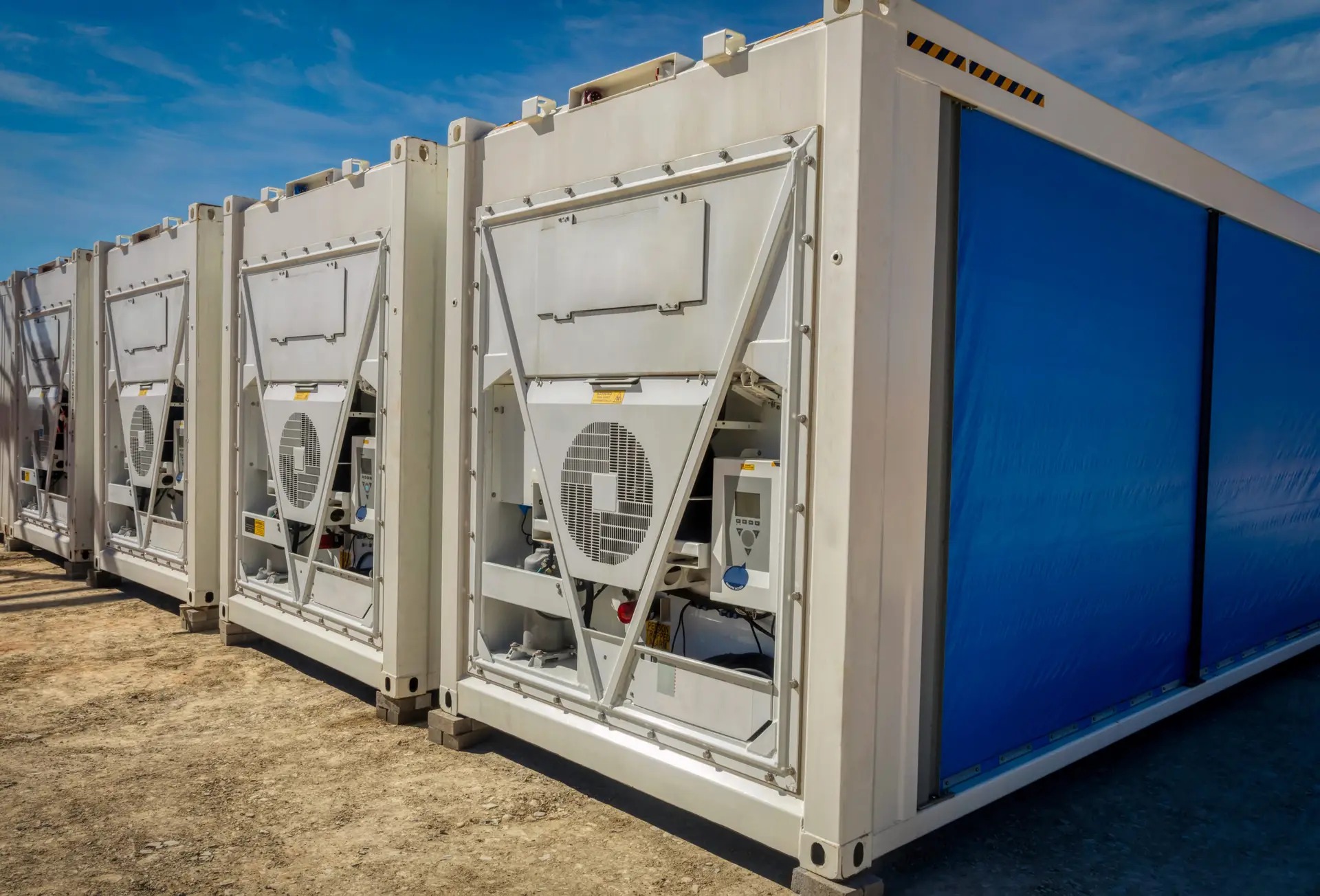
Also known as reefers, these units maintain controlled temperatures for sensitive goods — from food to pharmaceuticals to event refrigeration. They’re not just cold boxes: modern reefers allow precise climate settings, continuous monitoring, and reliable performance across seasons.
2. Side Opening Containers
If loading bulky or awkward cargo through one end feels like trying to park a car through a letterbox, these containers are your answer. Full-length side doors or bi-fold panels let you access the entire width of the unit easily — great for machinery, bulky goods, and speedy access.
3. Open Top Containers
Tall, oversized, or irregular loads that don’t fit through conventional doors? Open top containers eliminate the roof, allowing cargo to be loaded from above with cranes or specialised equipment. It’s simple, but it solves a class of problems standard containers struggle with.
4. Flat Pack Containers
Designed for quick assembly and breakdown, flat pack units are ideal where transport space needs to be minimised or temporary structures are required. They’re the container equivalent of furniture you build at home — robust once assembled, but easy to ship compactly.
5. Tunnel, High Cube, and Bespoke Variants
Other specialist variants include tunnel containers (double-ended doors for continuous access), high cube containers (extra headroom), and entirely bespoke conversions tailored to customer needs — from onsite workshops to mobile offices.
Why Special Purpose Containers Matter
You might assume that modified containers are just storage boxes with a fancy name. In reality, they represent a shift in how businesses optimise complex operations.
Here’s why they matter:
- Purpose-built access and workflow: Special containers streamline loading and unloading, reducing time and labour.
- Flexibility and modularity: They can be relocated, repurposed, or integrated into larger container complexes.
- Cost effectiveness: Compared with permanent builds, they offer bespoke functionality at a fraction of the time and price.
- Scalability: Need more capacity? Add more units. Replace? Reconfigure? It’s straightforward.
In sectors where operations are fluid instead of fixed — think events, construction sites, emergency logistics — these benefits translate into real competitive advantage.
Practical Applications Across Industries
Special purpose containers aren’t just niche products: they’re used widely across sectors.
Logistics & Warehousing
Reefers keep goods at temperature during peak seasons, while side opening units make loading heavy pallets faster and safer.
Construction & Site Support
Containers converted into mobile offices, site stores, and equipment access hubs streamline site logistics without the time and cost of traditional onsite builds.
Retail & Events
Pop-ups, kiosks, and temporary facilities benefit from modular containers that can be fast-deployed and branded.
Hospitality & Leisure
Special units like refrigerated containers double as bars or cold-store service points at events, while bespoke conversions can support temporary guest services or backstage logistics.
Emergency Deployments
In disaster or emergency settings, modular container units can be rapidly deployed as temporary shelters, clinics, or command centres — reinforcing their value beyond mundane storage.
Case Study: Side Opening Containers on a Renovation Project
A regional refurb company in the UK was tasked with storing bulky stone slabs and carved architectural features during a major heritage building restoration. Traditional storage containers proved frustrating: workforce spent hours wrestling with oversized stone, leading to delays.
The solution came in the form of side opening special purpose containers. Workers could access the full width of the unit without awkward forklift manoeuvres. The result:
- Operational time on loading/unloading halved
- Handling accidents reduced
- Workflow became predictable and efficient
This wasn’t a marginal improvement — it completely changed how the team managed sequences of deliveries and storage. This exemplifies how even subtle design changes in container type can have significant operational outcomes.
“Special purpose containers are not about boxes — they’re about solving real problems with smart, modular design.”
Need a container that does more than sit there?
Whether you need climate control, specialised access, or a project-fit solution, exploring special purpose containers could unlock real operational value. Reach out for tailored advice and a quote.
Tunnel Shipping Containers: The Best Storage You’re Not Thinking About